.png)
July 21, 2024
The results are in. By a 174-seat majority, Labour have won the general election.
So, what does this mean for the Transport and Infrastructure industry?
Energy
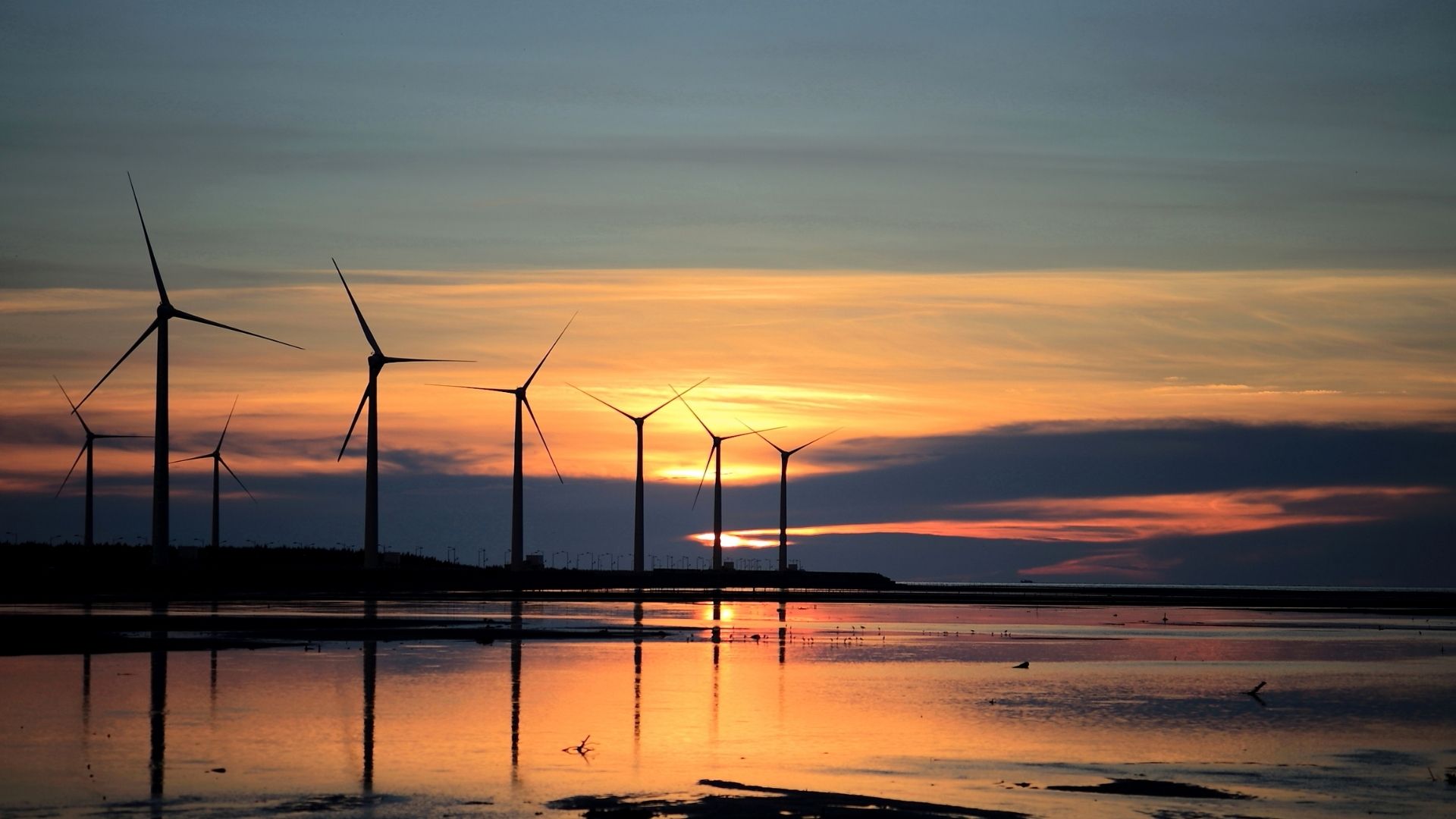
One of Labour’s leading election pledges was to “make Britain a clean energy superpower”. Last week, the government began work on this promise by lifting the ban on onshore wind developments in England.
Aiming to achieve clean energy by 2030, the new government are establishing Great British Energy (GBE). This will be a publicly owned company that will collaborate with the private sector to co-invest in clean energy.
GBE will be supported by £8.3 billion in funding. Part of this funding will come from a windfall tax for North Sea oil and gas companies.
Around £3.3 billion of this funding has been earmarked for Labour’s local power plan; the other £5.5 billion will be used to invest in projects that may be less attractive to private investors. For example – floating off-shore windfarms or solar panels for social housing developments.
The new government will also no longer defend a decision, made by the previous government, to allow the new coal mine in Cumbria. They state there was an “error of law” in the decision to grant planning permission for the mine in December 2022.
Labour have said they will refuse licenses to explore new North Sea oil and gas field, or new coal licenses – and will ban fracking completely.
However, in last few days, the government’s plans have been cast into doubt by the timing of an ongoing licensing round. The government has denied reports that Ed Miliband, the Secretary of State for Energy Security and Net Zero, defied officials by ordering an immediate ban on new licenses, including those still being considered by the regulator.
Their manifesto also pledges to ensure a “much tougher system of regulation” that will hold energy companies to account for wrongdoing, require higher standards of performance, and ensure there is automatic customer compensation for failure.
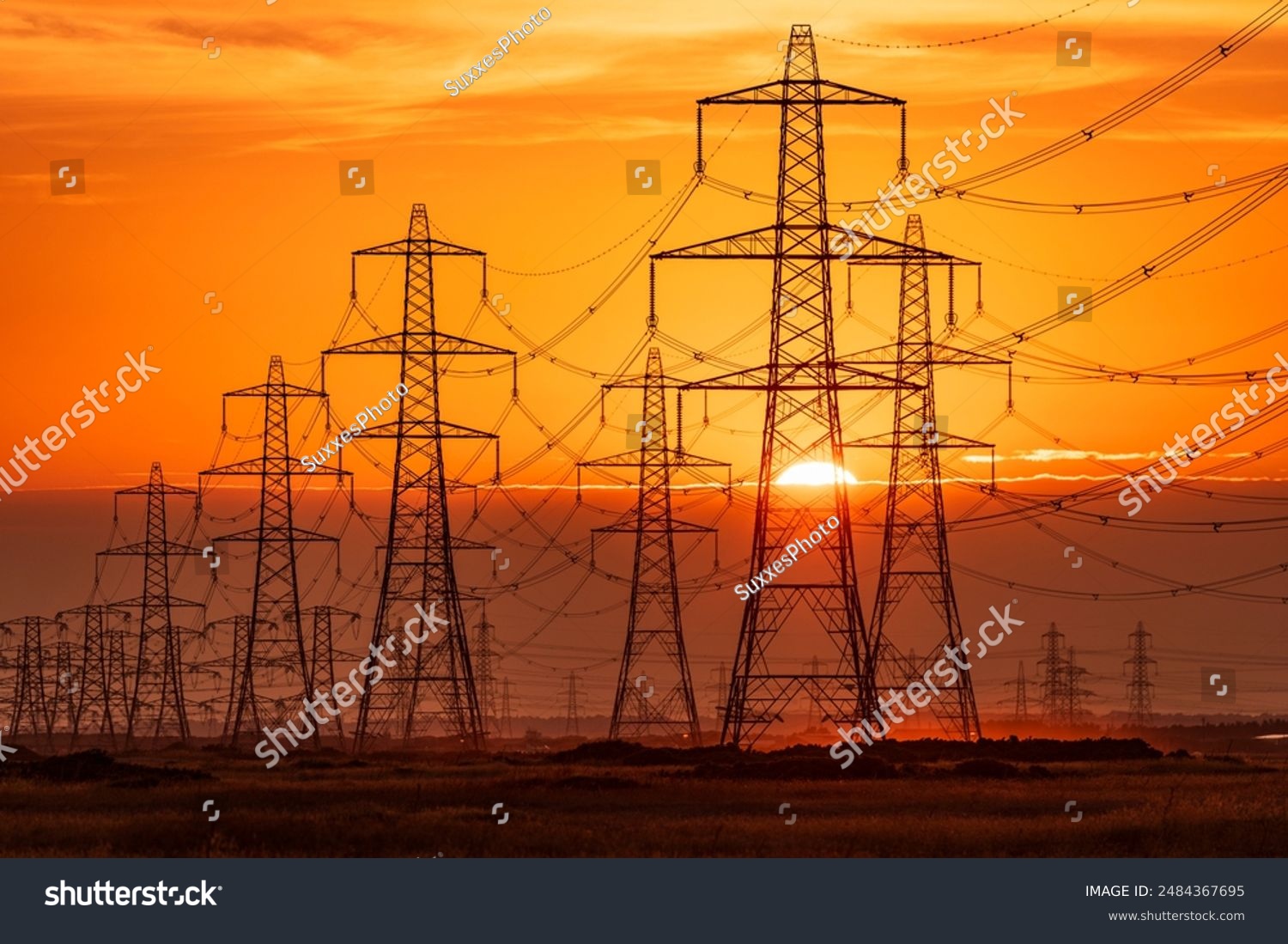
As part of their plan to speed up clean energy projects, the new government also intend to upgrade the national grid.
Looking ahead to the King’s Speech at the official state opening of Parliament (17th of July), it is expected that Labour will put forward the ‘Energy Independence Act’. Details of the Bill are yet to be confirmed, however, it is likely that GB Energy will feature heavily within it.
Rail
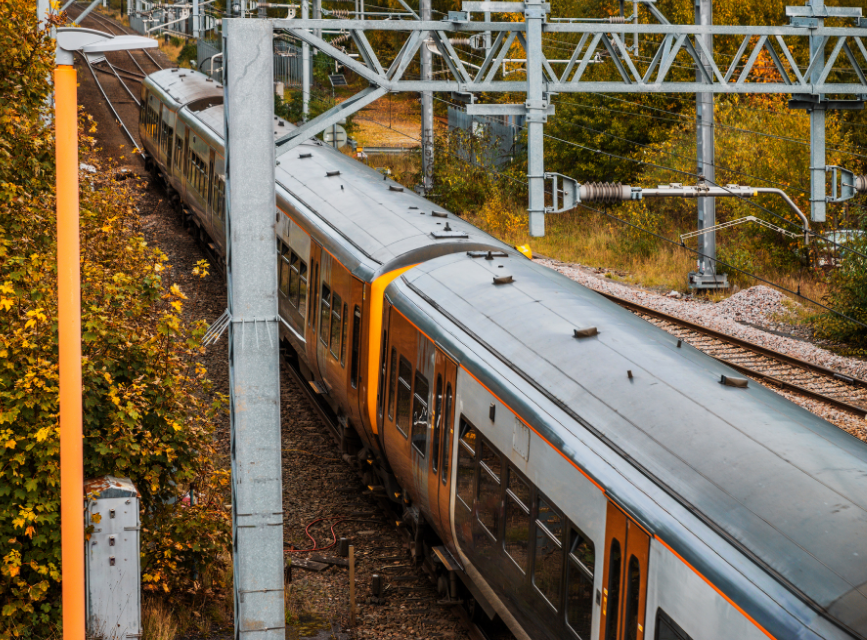
While Labour has, in general, pivoted away from the pro-nationalisation stance of their 2019 manifesto, the new government is keento bring rail to the public sector.
They plan to establish a new arm’s length public body, Great British Railways (GBR), to deliver a unified rail system and improve service. Current contracts held by private train operators will be handed back to the public sector when they expire, or terminated if service falls below the required standard.
Great British Railways will be responsible for day-to-day operational delivery, investment, and innovations and improvements for passengers.
There will be a shadow version of GBR for the first six months. Listen out for potential details in the Kings Speech next week.
Lord Peter Hendy CBE, chairman of Network Rail, has been appointed as Minister of State for Transport. He will be integral in the development of GBR.
Labour plan to implement a new, tougher passenger watchdog who will ensure that service is held to a high standard.
The Labour manifesto has not made specific promises on HS2 or any other large-scale rail projects but have stated that they will work on “improving rail connectivity across the North of England”.
Labour seems conscious to ensure fiscal responsibility. Last week, Rachel Reeves, in her first speech as Chancellor, stated that the new government could not promise any further developments to HS2 without knowing where the money is coming from.
However, in March, Louise Haigh, the new Secretary of Statefor Transport, spoke about her wish for Phase 2a of HS2 to be reinstated.
Time will tell what happens there.
Water
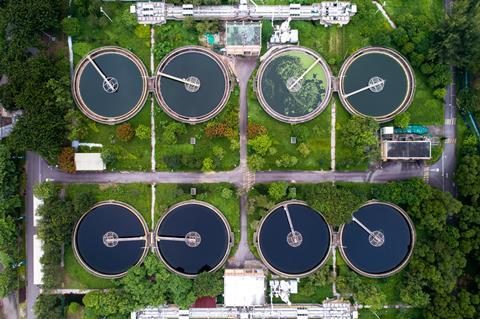
The new government intend to be stricter on water regulation.
In their manifesto, Labour state they will give regulators new powers to block the payment of bonuses to executives, and bring criminal charges against persistent law breakers, if waterways are continually polluted.
The new government plans to instate automatic fines forwater companies who ignore illegal sewage discharges.
Labour also intends to end self-monitoring; all companies,under independent supervision, will monitor the water outlets.
Highways
Labour will now have responsibility for deciding the future of Lower Thames Crossing. A £330m DCO application was submitted in November 2022. The deadline for a decision on whether the project will proceed is now due on the 4thof October this year.
Local leaders will have the power to franchise local bus services, and Labour will lift the ban on municipal ownership, allowing authorities to establish their own bus operators.
As a result of these measures, we anticipate an increase inthe adoption of bus franchising. However, it is uncertain whether local authorities have the appropriate funding or resources to reverse declining passenger numbers.
Labour have criticised the fragmented nature of transport services under the previous government. To combat this, Mayors will be granted authority to create more integrated and unified transport systems in their area.
The government plan to fix one million potholes across England in each year of parliament. The funding for this will come from a deferral of the A27 bypass.
Aviation
Labour’s plans for the aviation sector are less comprehensive than for the other transport sectors.
In their manifesto, Labour state that they will support the UK aviation industry by promoting sustainable fuels and encouraging airspace modernisation.
Other
On Tuesday last week, Chancellor, Rachel Reeves, and Business Secretary, Johnathan Reynold, began to align the UK Infrastructure Bank and the British Business Bank under a new National Wealth Fund.
The £7.3bn National Wealth Fund is a key part of Labour’s initiative to attract billions of pounds of private sector investment into UK Infrastructure.
The fund is expected to deliver:
· £1.8 billion to upgrade ports
· £1.5 billion to new gigafactories for the automotive industry (including electric vehicles)
· £2.5 billion for the steel industry
· £1 billion to accelerate the deployment of carbon capture
· £500 million to support the manufacturing of green hydrogen
Keir Starmer’s Labour government has plenty of ideas on how to lead change across Transport and Infrastructure and they seem keen to get plans in place quickly. The Kings Speech could be fairly packed with announcements.
What do you think? Drop me a line on jn@newsomconsulting.co.uk – I’m keen to know!
.png)





.jpg)