.png)
June 22, 2016
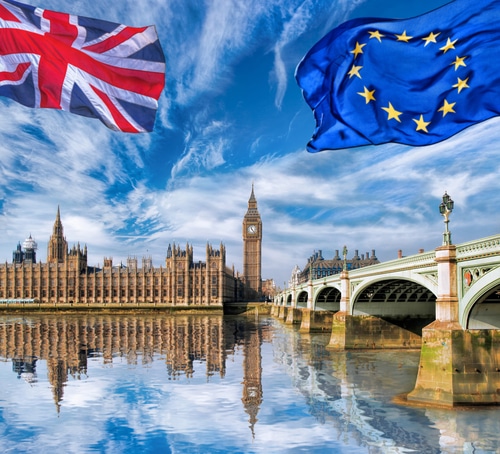
Tomorrow we all go to the polls to make a decision that will have a profound impact on the country we live in.
It is 43 years since Britain joined the European Union, and through much of that time there has been grumbling about the impact of membership on our day-to-day lives. We have heard much debate and hyperbole from both sides of the argument over the last few months, but what impact would Brexit really have on the UK infrastructure sector?
The UK government has repeatedly made infrastructure central to its drive to turn the economy around after the global shocks at the end of last decade. Ministers, this spring, set out a pipeline of £300bn of projects that will be delivered by March 2021. George Osborne said of this government in his latest Budget speech: “We are the builders”.
This is all great news for the infrastructure sector, and the economy in general but there are acute skills shortages in many aspects of the industry.
If you go to any construction site in London, you are highly likely to see hard working, skilled people from outside this country’s borders putting in shifts to make projects happen. It’s one thing saying you’re the builders, stood in a suit at Westminster, but the real builders are working hard on the ground, and many are not British.
This is not just true of tradespeople, there are many senior managers and experts who come in and out of the UK to lend their expertise to major projects. Overall 10% of the UK construction sector are foreign born.
If we leave it is unknown what immigration system we would eventually end up with but there would at best be a significant period of uncertainty and transition. EU membership allows vital construction skills to flow naturally into the country so why change that and put project delivery at risk at such a critical time for the sector and the economy?
Many US, Japanese and other overseas owned global companies choose the UK as the base for their European HQ. There are multiple reasons for this, not least that we are part of the EU. If Brexit occurs these major companies may well decide to site headquarters within the EU rather than outside it. Where we have often been a prime choice for global offices, other countries in Western Europe may jump ahead of us in the queue, losing the jobs they bring.
Aside from these global firms, the EU itself funds plenty of British construction activity. The European Investment Bank recently announced £700 million for the Thames Tideway Tunnel and has injected £16bn into UK projects in the past three years. David Cameron has warned that losing membership of the EIB could have a big impact on the infrastructure sector and hence the economy as a whole.
One of the few things most observers agree on is that Brexit would trigger a recession. A recession would have a major negative impact on UK property and commercial construction activity, and could shrink infrastructure investment. The transport sector would likely take a hit, with reduced leisure and business travel impacting airports and other transport operators.
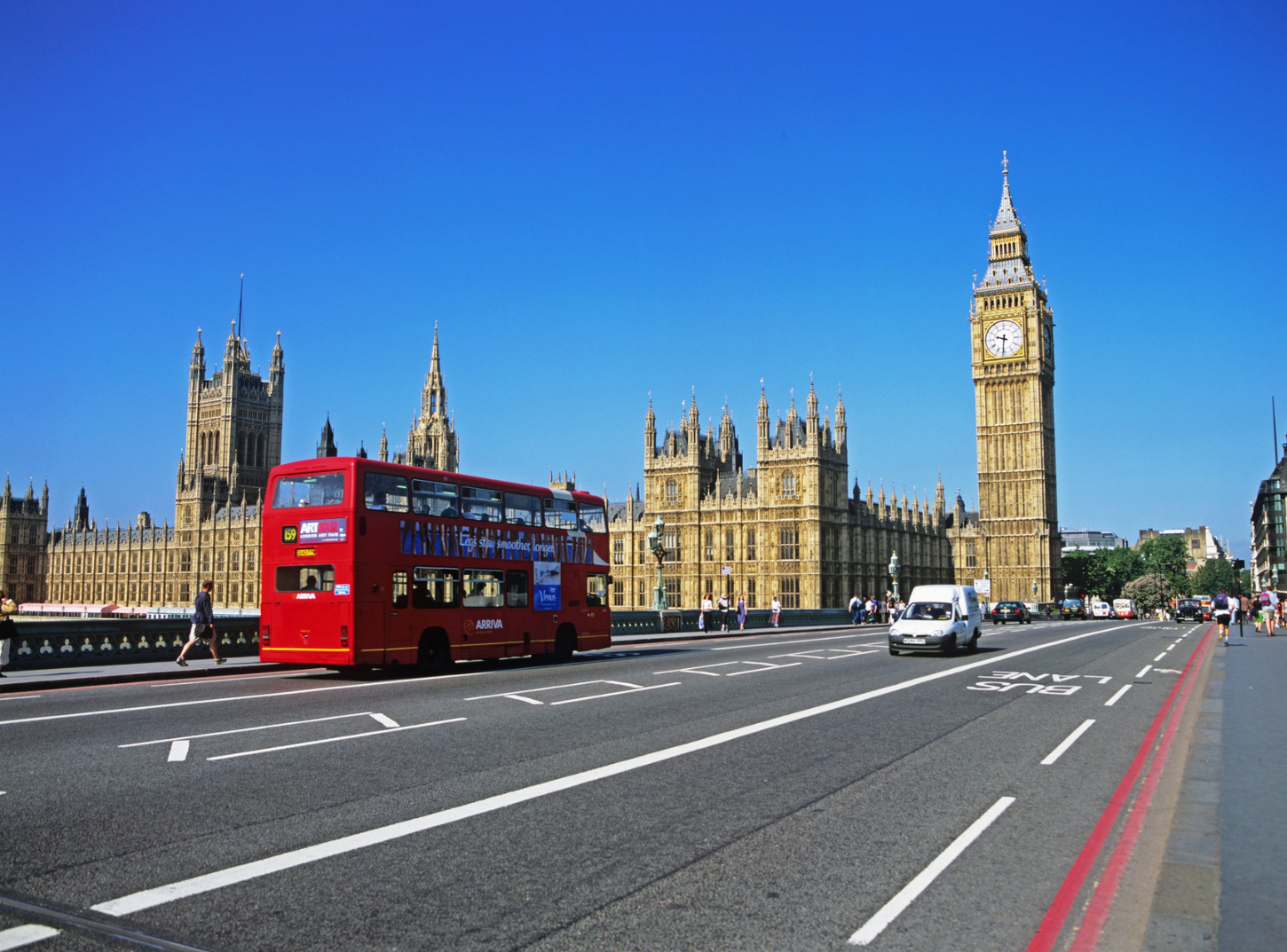
The infrastructure sector, particularly Transport and Energy, suffers when there is political uncertainty. Is it possible for Cameron, as a staunch Remain campaigner, to continue as Prime Minister if the population votes to leave? Who would come in and would they be likely to back major energy and transport projects with the same vigour? If Boris gets into No.10 it would undoubtedly be bad news for a third runway at Heathrow.
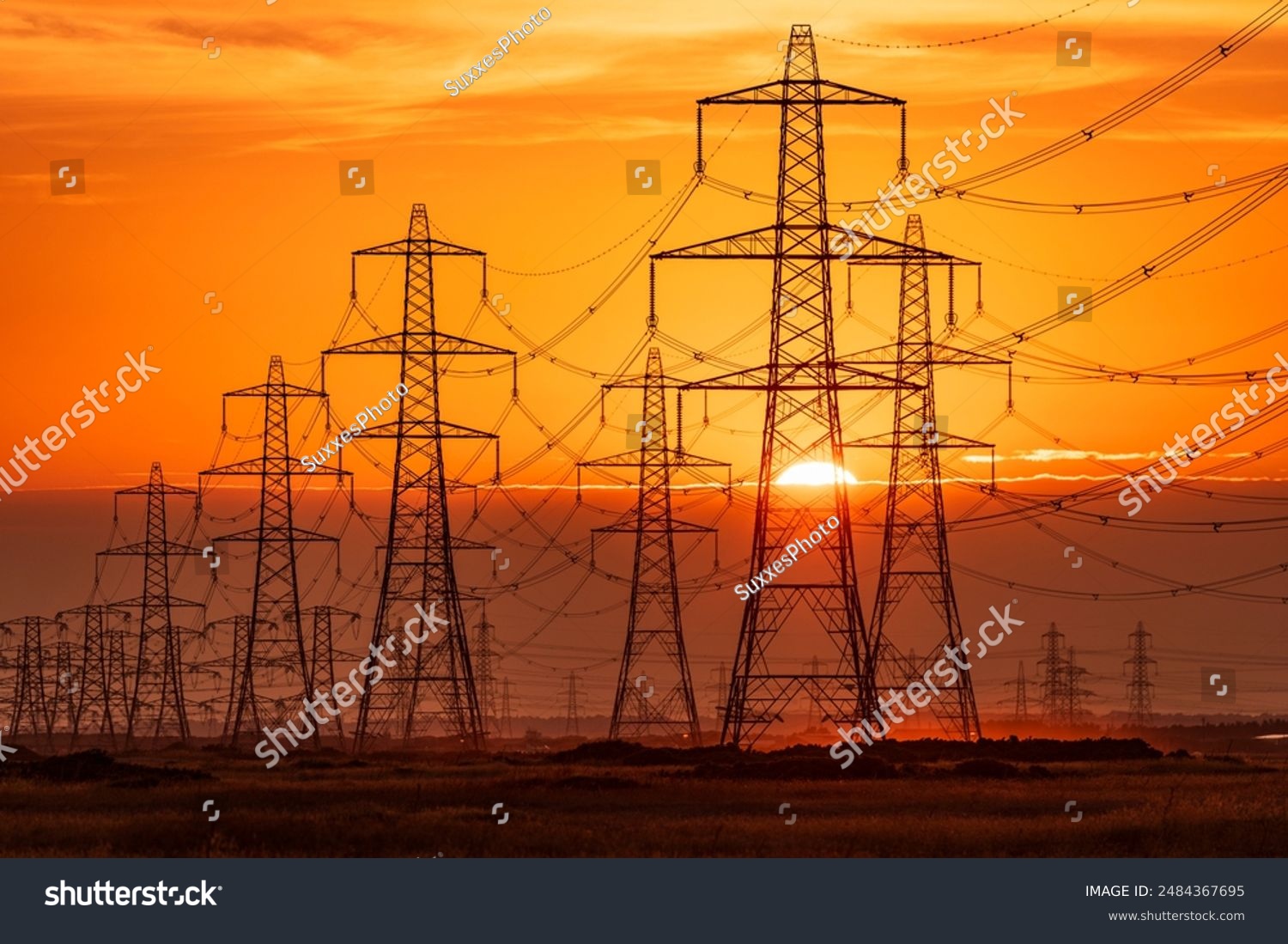
Leaving the EU would have some very specific impacts on Energy and Transport. EU directives on renewables would no longer apply to us if Brexit occurs, this would likely lead to a review of energy strategy and policies taking several years. One thing we don’t need right now is less certainty about infrastructure schemes.
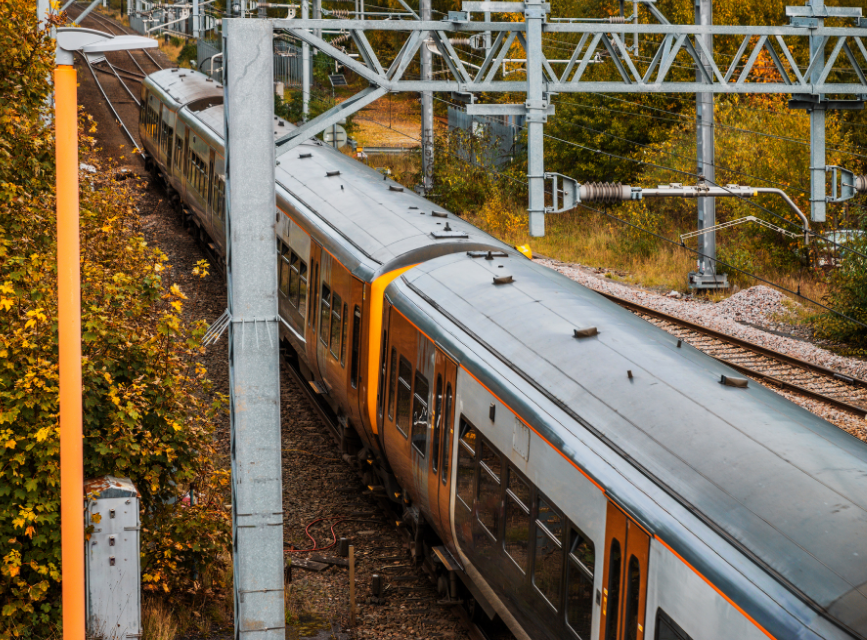
The major transport groups also have a vested interest in the vote due to the EU’s fourth railway package currently going through legislation. The fourth railway package will make privatisation of rail services essential to all EU countries, essentially ending any ambitions trade unions might have to return the UK rail sector to public ownership in the future.
For all these above reasons I believe it’s best for UK infrastructure that we should vote to stay in the EU. With positive political and financial backing, and open borders, the infrastructure industry can continue driving the UK economy. The UK recently overtook France as the second biggest economy in Europe, and could rival Germany as the most powerful economy (and therefore main voice) in the union by 2030*.
Far better for the UK to protect its burgeoning infrastructure sector and aim for more power within the EU to reform it, than to risk withering on the outside. I know which way I will be voting.
*Source – Centre for Economic and Business Research forecast, December 2015.
.png)
.png)
.png)